+91 63792 51687 |
info@vasanthafertility.com


Sequential embryo transfer is a specialized assisted reproductive technique in which two embryo transfers are performed within the same IVF cycle—typically one on Day 3 (cleavage stage) and another on Day 5 (blastocyst stage). This approach aims to increase the chances of implantation by exposing the uterus to embryos at different developmental stages.
Improve implantation rates in women with previous IVF failures.
Utilize embryos of varying quality or developmental stages.
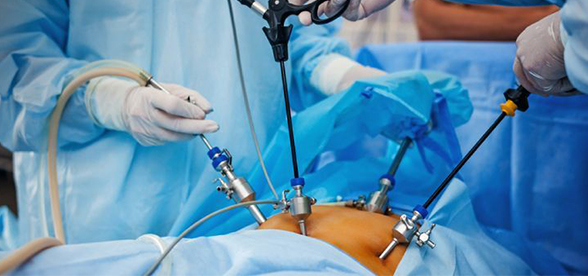
After fertilization, embryos are cultured in the lab.
On Day 3, one or more embryos are transferred into the uterus.
The remaining embryos are continued in culture to reach the blastocyst stage.
Repeated implantation failure,
Thin endometrium,
Or uncertain embryo quality.
Provides more than one opportunity for implantation in a single cycle.
Can be performed via open, laparoscopic, or microsurgical techniques.
Requires more coordination and resources from the IVF lab and team.
Potential risk of multiple pregnancies, depending on the number of embryos transferred.
Limited evidence supporting superiority over single blastocyst transfer in all cases.