+91 63792 51687 |
info@vasanthafertility.com


PESA (Percutaneous Epididymal Sperm Aspiration) and TESA (Testicular Sperm Aspiration) are surgical procedures used to retrieve sperm directly from the male reproductive tract, typically in cases of male infertility, especially when sperm are not present in the ejaculate (azoospermia).
Purpose: To retrieve sperm from the epididymis (a small, coiled tube attached to the testicle where sperm mature).
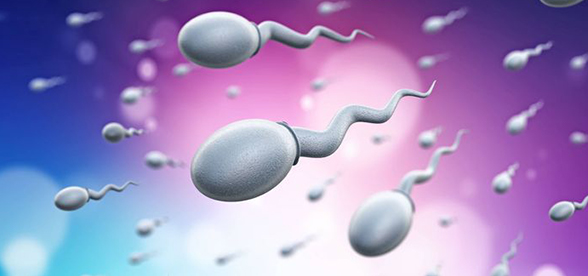
Performed with a thin needle inserted through the scrotal skin into the epididymis.
Fluid is aspirated and examined under a microscope to extract viable sperm.
Usually done under local anesthesia.
Obstructive azoospermia (e.g., vasectomy, congenital absence of vas deferens).
When sperm production is normal, but blocked from reaching the ejaculate.
Minimally invasive and relatively quick.
Can often be performed multiple times if needed.
Purpose: To retrieve sperm directly from the testicular tissue when sperm cannot be obtained from the epididymis.
A small needle is inserted directly into the testicle to aspirate a small amount of tissue.
Sperm are then extracted from this tissue in the lab.
Performed under local or general anesthesia.
Non-obstructive azoospermia (when sperm production is very low or absent).
Failed PESA or when epididymal retrieval is not possible.
Useful when sperm production is impaired but some sperm may still be found in the testis.
Can be combined with IVF/ICSI for fertilization.