+91 63792 51687 |
info@vasanthafertility.com


Sequential embryo transfer is a specialized assisted reproductive technique in which two embryo transfers are performed within the same IVF cycle—typically one on Day 3 (cleavage stage) and another on Day 5 (blastocyst stage). This approach aims to increase the chances of implantation by exposing the uterus to embryos at different developmental stages.
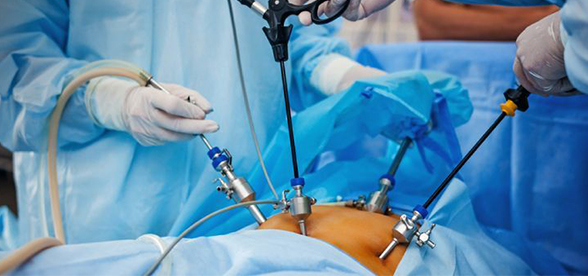
Improve implantation rates in women with thin endometrial linings.
Enhance the quality and receptivity of the uterine lining for embryo implantation.
May benefit women with a history of recurrent miscarriage or failed IVF cycles due to endometrial problems.
A minimally invasive procedure where platelet-rich plasma is extracted from the patient’s blood, concentrated, and then injected into the uterine lining.Growth factors in PRP are believed to stimulate cell regeneration and improve blood flow to the endometrium.
Involves hysteroscopic endometrial scratching or ablation to stimulate endometrial regeneration.This is typically done before an embryo transfer and is thought to create a minor injury to the endometrium, encouraging it to heal and improve receptivity.
May improve implantation rates in women with difficult uterine conditions.
Non-invasive or minimally invasive techniques with relatively quick recovery times.
Can potentially enhance natural fertility or IVF outcomes.
Not all women will benefit from endometrial rejuvenation, especially if other fertility factors are at play.The techniques, particularly PRP and stem cell therapy, are still considered experimental and are not universally accepted or available in all fertility clinics.Cost can be a factor, especially for experimental treatments.Endometrial rejuvenation is a promising option for women who face difficulties with implantation due to uterine lining issues. It is important to consult with a fertility specialist to assess if this treatment is appropriate for individual needs and circumstances.