+91 63792 51687 |
info@vasanthafertility.com


Egg freezing, also known as oocyte cryopreservation, is a fertility preservation technique where a woman's mature eggs are retrieved, frozen, and stored for future use. This allows women to delay childbearing while preserving their reproductive potential.
Medical reasons: Before cancer treatment (chemotherapy/radiation), surgery, or other health conditions that may affect fertility
Age-related fertility decline: To preserve healthier, younger eggs for future use
Hormonal injections stimulate the ovaries to produce multiple mature eggs.
Blood tests and transvaginal ultrasounds track follicle growth and hormone levels.
Eggs are collected in a short outpatient procedure using a thin needle under sedation.
Mature eggs are rapidly frozen using a technique called vitrification, which prevents ice crystals from forming.
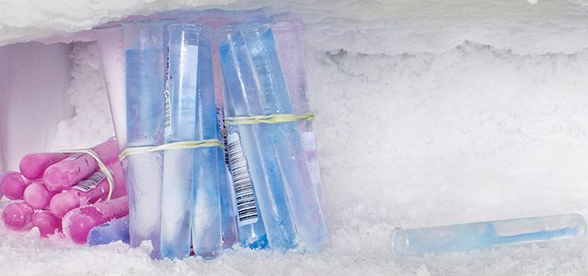
Eggs are stored in liquid nitrogen at –196°C until needed.
When the woman is ready to conceive, the eggs are thawed, fertilized with sperm (usually via ICSI), and the resulting embryos are transferred to the uterus through IVF.
Age at freezing is the most important factor — younger eggs have higher survival and success rates. Number of eggs frozen — more eggs may increase the chance of future pregnancy.
Empowers women to make reproductive choices based on their timeline
Preserves fertility in the face of medical treatments or natural aging
Increases the likelihood of pregnancy later in life using one’s own biological eggs