+91 63792 51687 |
info@vasanthafertility.com


Intracytoplasmic Sperm Injection (ICSI) is an advanced laboratory technique used in assisted reproductive technology (ART), primarily as part of in vitro fertilization (IVF) treatment. It is designed to help individuals or couples overcome certain types of infertility, especially male factor infertility. ICSI involves the direct injection of a single sperm into the cytoplasm of a mature egg (oocyte) using a fine glass needle under a microscope. This technique significantly increases the chances of fertilization when compared to conventional IVF, where eggs and sperm are simply mixed together.
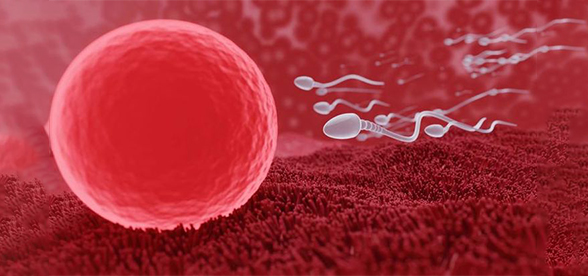
A single, healthy sperm is selected under a microscope.
The sperm is injected directly into the cytoplasm of the egg using a microneedle.
Fertilization and Embryo Culture: Fertilized eggs (embryos) are monitored for development in the laboratory.
One or more healthy embryos are transferred into the woman’s uterus, with the goal of achieving pregnancy.
Low sperm count or poor sperm motility.
Abnormally shaped sperm.
Previous failed fertilization with conventional IVF.
Use of frozen or surgically retrieved sperm.
Unexplained infertility in some cases.
Semen Collection: The male partner provides a semen sample.
Semen Analysis: The sperm is evaluated for count and motility.
Semen Preparation/Wash: The sample is processed to isolate motile sperm and remove unwanted components.
Post-Preparation Analysis: The prepared semen is analyzed to ensure quality.
Sample Loading: The washed sperm is loaded into a catheter.
IUI Procedure: The sperm is introduced into the uterus.