+91 63792 51687 |
info@vasanthafertility.com


Artificial Intelligence (AI) Embryo Selection is an advanced technology used in assisted reproductive technology (ART), particularly in in vitro fertilization (IVF), to improve the chances of successful pregnancy by helping to identify the most viable embryos for transfer. AI analyzes large amounts of data from embryos to assist embryologists in making more accurate and objective decisions regarding embryo selection.
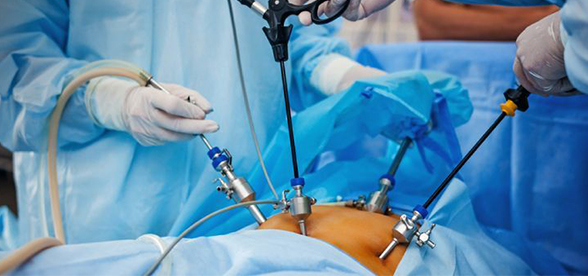
During IVF, embryos are cultured in the laboratory for several days (usually 3 to 5 days).Embryos are observed through microscopy and other technologies, such as time-lapse imaging, to monitor their development (cell division, morphology, and other growth indicators).
Embryos are observed through microscopy and other technologies, such as time-lapse imaging, to monitor their development (cell division, morphology, and other growth indicators).
AI uses machine learning algorithms to analyze the collected data and learn from previous successful and unsuccessful pregnancies.The system then ranks embryos based on their potential for successful implantation and pregnancy.
The AI system provides a score for each embryo based on its likelihood of leading to a successful pregnancy.Embryologists use this score to help determine which embryos to transfer into the uterus.
By accurately selecting embryos with the highest likelihood of success, AI can improve implantation rates and reduce the risk of miscarriage.AI allows for better embryo selection even with low embryo quality or suboptimal conditions.
Embryo Ranking: AI helps rank embryos according to their chances of successful implantation, making it easier to choose the most promising embryos for transfer.
Embryo Grading: AI can provide more consistent and precise grading of embryos, assessing factors like blastocyst development, cell structure, and fragmentation.
Predicting Pregnancy Success: By analyzing the development patterns of embryos, AI can predict the likelihood of a successful pregnancy, guiding decisions about which embryos to transfer.