+91 63792 51687 |
info@vasanthafertility.com


Blastocyst Culture is a technique used in in vitro fertilization (IVF) where fertilized eggs (embryos) are grown in the laboratory for five to six days—until they reach the blastocyst stage—before being transferred to the uterus or frozen for future use.
A fluid-filled cavity (blastocoel),
An inner cell mass (ICM), which becomes the fetus,
An outer layer of cells called the trophectoderm, which becomes the placenta.
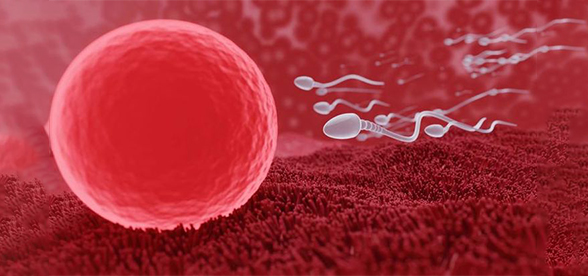
Fertilization : Eggs are retrieved and fertilized in the lab via conventional IVF or ICSI.
Embryo Development: Embryos are cultured in a specialized medium designed to support growth beyond the early cleavage stages (days 1–3).
Monitoring: Embryos are observed and assessed daily as they progress toward the blastocyst stage.
Improved Embryo Selection: Embryos that develop to the blastocyst stage are more likely to be chromosomally normal and viable.
Higher Implantation Rates: Transferring a blastocyst may increase the chances of implantation and pregnancy.
Better Timing with the Uterus: The uterus is naturally more receptive to a blastocyst around day 5–6 after ovulation.
Fewer Embryos Transferred: Because of the higher implantation potential, fewer embryos are needed—reducing the risk of multiple pregnancies.
Not all embryos will develop to the blastocyst stage, especially in cases of poor egg or sperm quality.
Blastocyst culture is typically recommended for patients with multiple good-quality embryos on day 3.
Extended culture may not be ideal for every IVF case; your fertility specialist will make recommendations based on individual factors.