+91 63792 51687 |
info@vasanthafertility.com


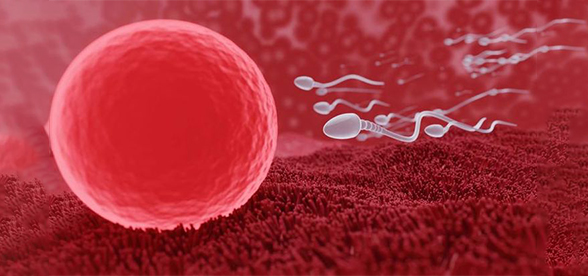
Frozen Embryo Transfer (FET) is a procedure used in assisted reproductive technology (ART) where a previously frozen embryo (created through IVF or ICSI) is thawed and transferred into a woman’s uterus with the goal of achieving pregnancy. FET is a less invasive and more flexible alternative to a fresh embryo transfer. It allows embryos that were not used in a prior IVF cycle to be preserved for future use.
Hormonal medication (like estrogen and progesterone) is given to prepare the endometrium (lining of the uterus) to support embryo implantation.
Alternatively, a natural cycle (based on the woman’s own hormones) can be used.
One or more embryos, previously frozen at the blastocyst (5–6 day) stage, are gently thawed in the laboratory.
Embryologists check the embryo for viability after thawing.
The thawed embryo is placed into the uterus using a thin catheter.
This is a quick and painless outpatient procedure that does not require anesthesia.
After a previous IVF/ICSI cycle with extra embryos available.
To delay transfer for medical, personal, or timing reasons.
To reduce risk of ovarian hyperstimulation syndrome (OHSS).
In cases of preimplantation genetic testing (PGT).
For elective fertility preservation.
Allows better control over timing and uterine environment.
Can be less physically and emotionally stressful than fresh transfers.
High success rates, especially with well-developed blastocysts.
Multiple embryos can be stored for future use.